Admissions Open Fall 2026 New Scholarships USA Canada UK Personalised Visa Guidance Free Counselling Available Supporting Students Worldwide Apply Now for Jan 2027 Intake
info@studiesabroads.com +1 346-381-4680
Studies Abroads
Enquire Now
Germany flag

Study in Germany 2026

Low or No Tuition at Many Public Universities

Germany is the dream destination for budget-conscious students - most public universities charge ZERO tuition fees, just a small semester fee of €150–350. Germany combines excellent engineering and technology education with a booming economy and the 18-month job seeker visa after graduation.

Get Free Counselling →
💰
Tuition FREE (Public Unis)
✈️
Visa Type German Student Visa
💼
Post Study 18-Month Seeker Visa
🏙️
Living Cost €800–€1,200/month
Top Universities

Best Universities in Germany

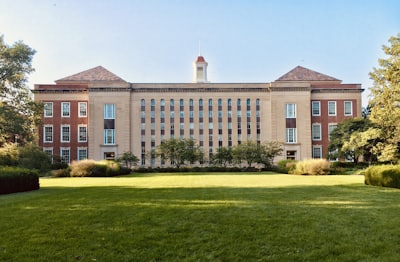
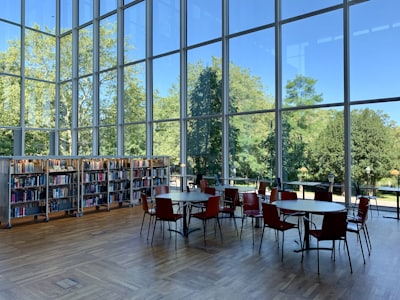
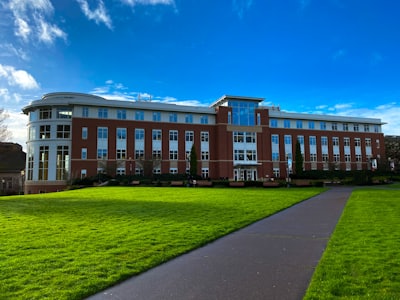
Illustrative university campus image #1 Germany
TUM
Technical University of Munich
Illustrative university campus image Nobel Laureates
LMU
LMU Munich
Illustrative university campus image Top Engineering
RWTH
RWTH Aachen University
Illustrative university campus image Oldest German Uni
Heidelberg
Heidelberg University
Illustrative university campus image Tech Research
KIT
Karlsruhe Institute of Technology
Illustrative university campus image Historic Berlin
Humboldt
Humboldt University Berlin

✈️ Visa Process Step-by-Step

1
APS Certificate
Get APS (Academic Evaluation Centre) certificate - mandatory for Indian students. Submit 10th, 12th, degree marksheets.
2
Apply to University
Apply via uni-assist or directly. Most programs open October and April.
3
Open Blocked Account
Open a blocked account - the required minimum is reviewed annually by the German government (recently around €11,904/year); confirm the current figure at banks like Fintiba or Expatrio before transferring funds.
4
Apply for Student Visa
Submit visa application at German Embassy/Consulate with all documents.
5
Attend Interview
Interview at German Consulate - be ready to explain your study motivation.
6
Arrive in Germany
Register at Einwohnermeldeamt (resident registration office) within 2 weeks.

💰 Complete Cost Breakdown

🏫Tuition (Public University)FREE - only €150–350 admin/semester fee
🏛️Tuition (Private University)€10,000 – €30,000/year
🏦Blocked Account Required~€11,904/year (reviewed annually - confirm current figure), refunded monthly after arrival
🏠Student Accommodation€300 – €600/month
🍽️Food & Living€300 – €500/month
🚇Monthly Transport Pass€29–49/month (Deutschland Ticket)
💡 IELTS Requirement: English programs: IELTS 6.0–7.0 or TOEFL 80+. German programs require B2/C1 German (TestDaF or DSH test). Many Masters in STEM are offered fully in English.
Financial Aid

Scholarships for Germany

DAAD
DAAD Scholarship
€850–€1,200/month stipend + insurance + travel. Most prestigious.
Government
Deutschlandstipendium
€300/month - merit-based from federal & private sponsors
Foundation
Heinrich Böll Foundation
Fully funded - politically engaged students
Foundation
Rosa Luxemburg Foundation
Social sciences focus - left-leaning students
EU Program
Erasmus+ Exchange
€300–€500/month for exchange students from partner unis

💼 Work Rights & Career Path

Students can work 120 full days or 240 half-days per year during study - enough for part-time. After graduation: 18-month job seeker visa to find employment. Blue Card (skilled work) has a minimum salary threshold that's reviewed periodically - confirm the current figure before job hunting. With Blue Card and B1 German proficiency, permanent settlement may be possible in around 21 months; without B1 German, it typically takes longer (around 33 months) - eligibility depends on your individual circumstances.

🏆 PR Pathway
Germany PR pathway: Studies → 18-month Job Seeker Visa → Find job → EU Blue Card → Permanent Settlement, potentially around 21 months with B1 German proficiency (longer without it). Germany offers an established route for skilled workers, though eligibility and timelines depend on your individual profile - confirm current requirements with German immigration authorities.
⚠️ Immigration rules change often. This page was last reviewed July 2026. Always verify current visa, work-rights, and financial requirements directly on the relevant government's official immigration website before making any decisions - rules like work hours, proof-of-funds amounts, and post-study visa durations are updated periodically.

📅 Intake Seasons

📆
Winter Semester Intake
October/November
Main intake - most programs available
📆
Summer Semester Intake
April/May
Fewer programs - not recommended for first-timers
Why Germany?

Top Reasons to Study in Germany

1
Most public universities charge little to no tuition
2
18-month job seeker visa after graduation
3
Blue Card can lead to permanent settlement, potentially within ~21 months with B1 German
4
Germany is the EU's largest economy - many job opportunities
5
DAAD scholarships available, fully funded
6
Central European location - easy travel access
Common Questions

Frequently Asked Questions

Everything you need to know about studying in Germany

Yes! All public state universities in Germany charge zero tuition. You only pay a semester fee of €150–€350 for admin, student union and transport pass. Private universities do charge fees.

Many Masters programs are fully in English, especially in STEM and business. However, Bachelors programs and daily life require German B2 level. Learning German improves your chances of employment significantly.

APS (Akademische Prüfstelle) verifies Indian academic credentials. All Indian students must get APS certification before applying. Process takes 4–6 weeks and costs ₹18,000.

The German government sets this amount and reviews it periodically - it has recently been around €11,904/year, released to you monthly after arrival. Always confirm the current exact figure with your bank (e.g. Fintiba, Expatrio) or the German missions website before transferring funds, since this changes over time.

Generally yes - the 18-month Job Seeker Visa allows you to stay in Germany after graduation to look for work. Once you have a qualifying job offer, you can apply for the EU Blue Card, which may lead toward permanent settlement over time depending on your German language level and other conditions.

Ready to Study in Germany?

Get free personalised counselling from our Germany specialists. No charges.
📋 Get Free Counselling 🌍 Other Countries
Quick Answers

Study Abroad FAQs

View All FAQs →
Students can study abroad in the USA, UK, Canada, Australia, New Zealand, Germany, France, and Ireland. We pro…
Yes! Our initial counseling is completely free. We assess your profile, suggest the best countries and univers…
Generally you need your passport, university acceptance letter, financial proof, academic transcripts, languag…
The process typically takes 3 to 6 months from application to visa. We recommend starting at least 6 months be…
Yes! Most countries allow international students to work part-time. USA allows 20 hrs per week on campus, UK a…
We have a 98% visa success rate. Our experienced team ensures all your documents are properly prepared before …
Students should ideally start preparing 10–15 months before the intake. Early planning gives you more time f…
Most universities require academic transcripts, a Statement of Purpose (SOP), Letters of Recommendation (LORs)…
Latest Articles

From Our Blog

All Articles →
📄
Canada Study Permit Source of Funds Requirements (2026)
Canada · 01 Aug 2026
📄
The F-1 Visa Four-Year Admission Cap: What Students Should Know (2026)
Visa Guidance · 01 Aug 2026
📄
STEM OPT Employer Requirements: What Students and Employers Must Meet (2026)
Visa Guidance · 01 Aug 2026
📄
Canada Study Permit Processing Time for Indian Students (2026)
Canada · 01 Aug 2026
📄
Does OPT Count Toward the New F-1 Four-Year Limit? (2026)
Visa Guidance · 01 Aug 2026
🇺🇸 Study in USA 🇬🇧 Study in UK 🇨🇦 Canada 🎓 Admissions 📚 Resources ❓ FAQs
1