Admissions Open Fall 2026 New Scholarships USA Canada UK Personalised Visa Guidance Free Counselling Available Supporting Students Worldwide Apply Now for Jan 2027 Intake
info@studiesabroads.com +1 346-381-4680
Studies Abroads
Enquire Now
Canada flag

Study in Canada 2026

A Well-Established Post-Study Work & PR Pathway

Canada offers world-class education combined with an established post-study work and immigration pathway. The Post-Graduation Work Permit (PGWP) provides up to 3 years of open work authorization, and Express Entry is a well-known route to Canadian PR. Eligibility and processing times depend on your individual profile.

Get Free Counselling →
🏛️
Top Unis UofT, UBC, McGill
✈️
Visa Type Study Permit
💼
Post Study PGWP 3 Years
💰
Avg Tuition CAD 20k–40k/yr
Top Universities

Best Universities in Canada

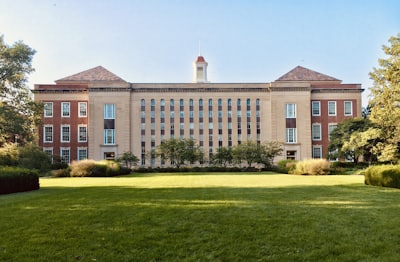
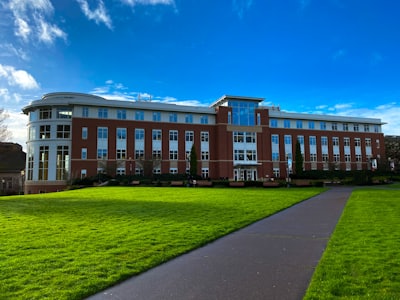
Illustrative university campus image #1 Canada
UofT
University of Toronto
Illustrative university campus image Top Research
UBC
University of British Columbia
Illustrative university campus image French City
McGill
McGill University
Illustrative university campus image Top Tech
Waterloo
University of Waterloo
Illustrative university campus image Health Science
McMaster
McMaster University
Illustrative university campus image Historic Campus
Queens
Queen's University

✈️ Visa Process Step-by-Step

1
Get Acceptance Letter
Receive Letter of Acceptance from a DLI (Designated Learning Institution)
2
Set Up GIC / Show Proof of Funds
A GIC is one accepted way to show funds - but as of September 1, 2025, applicants must show at least CAD 22,895 for living expenses (excluding tuition and transportation) for a single applicant. Check current IRCC figures before applying
3
Apply for Study Permit
Apply online via IRCC - include GIC proof, financials, SOP
4
Biometrics
Attend biometric appointment at nearest VAC
5
Receive Study Permit
Typically 4–8 weeks. eTA also issued for travel
6
Arrive & Activate Permit
Present at Port of Entry to activate your Study Permit

💰 Complete Cost Breakdown

🏫Tuition (Undergraduate)CAD 20,000 – 35,000/year
🎓Tuition (Postgraduate)CAD 18,000 – 40,000/year
🏦Proof of Funds (Living Expenses)CAD 22,895+ for a single applicant (excl. tuition/transport) - GIC is one accepted method
🏠AccommodationCAD 10,000 – 15,000/year
🍽️Food & LivingCAD 8,000 – 12,000/year
🏥Health InsuranceCAD 600 – 900/year (varies by province)
💡 IELTS Requirement: IELTS 6.0–6.5 (with no band below 6.0 for most programs). Some colleges accept 5.5 with conditions. CLB 7 required for Express Entry PR later.
Financial Aid

Scholarships for Canada

Government
Vanier Canada Graduate Scholarships
CAD 50,000/year for 3 years - PhD level research
University
University Entrance Awards
Up to 100% tuition - academic excellence based
UofT
Lester B. Pearson Scholarship
Full ride at University of Toronto - very competitive
Government
IDRC Research Awards
Research grants for international students in Canada
Provincial
Ontario Graduate Scholarship
CAD 15,000 - for graduate studies in Ontario

💼 Work Rights & Career Path

International students can work up to 24 hours/week off-campus during academic sessions (updated policy, effective for eligible study permit holders), and full-time during scheduled breaks. After graduation, Post-Graduation Work Permit (PGWP) for up to 3 years. Spouse eligibility for an open work permit depends on your program and permit conditions - check current IRCC rules before applying. Pathway to Express Entry PR after Canadian work experience.

🏆 PR Pathway
Canada PR pathway: Study → PGWP (up to 3 yrs) → Canadian Experience Class (Express Entry) → PR, with processing times that vary by applicant and program (recent rounds have taken roughly 6 months or longer). Provincial Nominee Programs (PNP) offer additional routes. Eligibility and current processing times depend on your individual profile - check IRCC for the latest figures.
⚠️ Immigration rules change often. This page was last reviewed July 2026. Always verify current visa, work-rights, and financial requirements directly on the relevant government's official immigration website before making any decisions - rules like work hours, proof-of-funds amounts, and post-study visa durations are updated periodically.

📅 Intake Seasons

📆
Fall Intake
September
Main intake - all programs, most scholarships
📆
Winter Intake
January
Good availability for postgraduate programs
📆
Summer Intake
May
Limited programs available
Why Canada?

Top Reasons to Study in Canada

1
A well-established post-study work & PR pathway
2
PGWP up to 3 years open work permit
3
Spouse may be eligible for an open work permit (program-dependent)
4
Safe, multicultural, welcoming society
5
Express Entry PR processing often takes 6–12 months
6
Growing tech industry - jobs across many sectors
Common Questions

Frequently Asked Questions

Everything you need to know about studying in Canada

Complete degree → get PGWP → work for 1 year → apply Canadian Experience Class via Express Entry. Many get PR within 6–18 months of starting work.

A GIC (Guaranteed Investment Certificate) is one accepted way to prove you can support yourself in Canada - funds are typically released to you monthly after arrival. As of September 1, 2025, IRCC requires proof of at least CAD 22,895 in living expenses (excluding tuition and transportation) for a single applicant. This figure is reviewed periodically, so confirm the current amount on the IRCC website before applying.

It depends on your program. Since 2024, spousal open work permit eligibility is generally limited to spouses of students in select programs (e.g. master's degrees of 16+ months, doctoral programs, or certain in-demand fields). Check current IRCC eligibility criteria before applying.

Ontario (Toronto), British Columbia (Vancouver), and Quebec (Montreal) are most popular. Ontario has the most jobs; BC has the best lifestyle; Quebec has lower tuition.

Both offer well-established pathways. Canada's Express Entry is generally faster (often 6–12 months processing) and relies on a points-based system. Australia's SkillSelect system is also points-based, with the Temporary Graduate visa giving time to gain local experience first. The better fit depends on your occupation, points score, and personal goals - not a one-size-fits-all answer for any single nationality.

Go Deeper

Related Guides

📄 Canada Study Permit: Source of Funds Requirements (2026) 📄 Canada Study Permit Processing Time for Indian Students (2026)

Ready to Study in Canada?

Get free personalised counselling from our Canada specialists. No charges.

📋 Get Free Counselling 🌍 Other Countries
Quick Answers

Study Abroad FAQs

View All FAQs →
Students can study abroad in the USA, UK, Canada, Australia, New Zealand, Germany, France, and Ireland. We pro…
Yes! Our initial counseling is completely free. We assess your profile, suggest the best countries and univers…
Generally you need your passport, university acceptance letter, financial proof, academic transcripts, languag…
The process typically takes 3 to 6 months from application to visa. We recommend starting at least 6 months be…
Yes! Most countries allow international students to work part-time. USA allows 20 hrs per week on campus, UK a…
We have a 98% visa success rate. Our experienced team ensures all your documents are properly prepared before …
Students should ideally start preparing 10–15 months before the intake. Early planning gives you more time f…
Most universities require academic transcripts, a Statement of Purpose (SOP), Letters of Recommendation (LORs)…
Latest Articles

From Our Blog

All Articles →
📄
Canada Study Permit Source of Funds Requirements (2026)
Canada · 01 Aug 2026
📄
The F-1 Visa Four-Year Admission Cap: What Students Should Know (2026)
Visa Guidance · 01 Aug 2026
📄
STEM OPT Employer Requirements: What Students and Employers Must Meet (2026)
Visa Guidance · 01 Aug 2026
📄
Canada Study Permit Processing Time for Indian Students (2026)
Canada · 01 Aug 2026
📄
Does OPT Count Toward the New F-1 Four-Year Limit? (2026)
Visa Guidance · 01 Aug 2026
🇺🇸 Study in USA 🇬🇧 Study in UK 🇨🇦 Canada 🎓 Admissions 📚 Resources ❓ FAQs
1